Industrial LCD Screen Manufacturing Process and Quality Control Standards
Industrial LCD Screen Manufacturing Process and Quality Control Standards
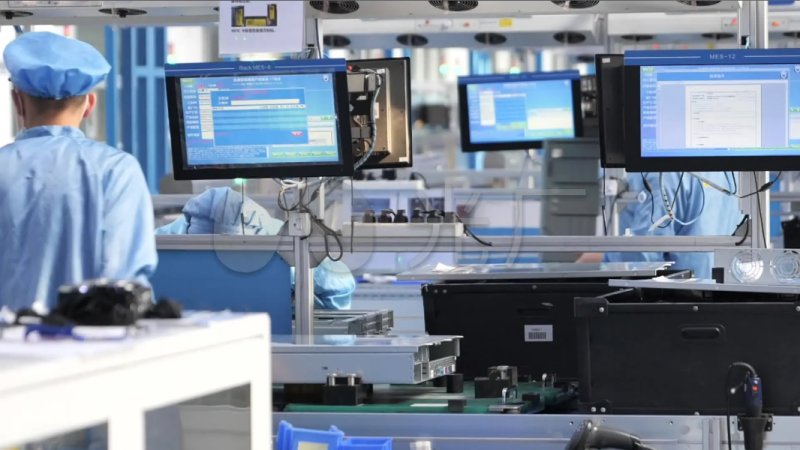
Industrial LCD screens are not simply assembled displays—they are the result of a highly controlled manufacturing process that ensures stability, durability, and long-term performance. Compared with consumer displays, industrial LCD production involves stricter standards, more testing stages, and higher-quality components.
The process begins with the LCD panel fabrication stage, where liquid crystal cells are created using precision glass substrates. These substrates are carefully cleaned, aligned, and bonded to ensure uniform pixel structure. Even microscopic defects at this stage can affect final display quality, so strict cleanroom environments are required throughout production.

After panel fabrication, the thin-film transistor (TFT) array formation process defines how each pixel is controlled. This stage determines key performance factors such as resolution, response time, and color accuracy. Industrial-grade panels require tighter tolerances compared to consumer displays, ensuring consistent image output even under long-term operation.
Next comes the backlight module assembly. Industrial LCD screens typically use LED backlighting systems designed for high brightness and long lifespan. The backlight must provide uniform illumination across the entire display area. Any uneven lighting or brightness inconsistency can reduce readability in industrial environments.
Once the core panel and backlight are assembled, the display moves into the module integration stage, where driver ICs, interface boards, and protective layers are added. At this stage, interface compatibility such as LVDS, eDP, or RGB is configured according to industrial system requirements.
One of the most important parts of manufacturing is quality control (QC). Industrial LCD screens undergo multiple inspection stages, including pixel defect checks, brightness uniformity testing, and color calibration. Unlike consumer-grade displays, industrial screens have much lower tolerance for defects, especially in mission-critical applications.
Another key QC process is temperature cycling tests. Displays are exposed to extreme high and low temperatures repeatedly to ensure stable performance in harsh environments. This helps simulate real-world conditions such as outdoor installation or factory heat exposure.
Vibration and shock testing is also conducted to ensure mechanical durability. Industrial LCD screens must withstand transportation stress, machine vibration, and long-term mechanical movement without damage or performance degradation.
Additionally, manufacturers perform aging tests, where screens are operated continuously for extended periods. This helps identify early failures in backlight systems or electronic components and ensures long-term stability.
Finally, packaging and logistics also play a role in quality assurance. Anti-static materials, shock-resistant packaging, and moisture protection are used to prevent damage during transportation.
Click LAJ080W001A LCD Screen Display Panel for more information.


Comments
Post a Comment