The Future of Industrial LCD Screens in Intelligent Control Systems
The Future of Industrial LCD Screens in Intelligent Control Systems
As industrial automation continues to evolve, industrial LCD screens are becoming more intelligent and deeply integrated into advanced control systems. Their role is expanding from simple display devices to interactive data visualization and decision-support platforms.
One of the key developments is the integration of smart Human-Machine Interfaces (HMI). Modern industrial LCD screens are no longer passive displays. They now support advanced touch interaction, real-time data processing, and dynamic interface updates. Operators can interact with machines more intuitively, improving efficiency and reducing training time.

Another important trend is the integration with Artificial Intelligence (AI). Industrial LCD screens are increasingly used to display AI-generated insights, such as predictive maintenance alerts, production optimization suggestions, and anomaly detection warnings. This allows operators to respond proactively rather than reactively.
The rise of edge computing is also transforming industrial LCD applications. Instead of relying entirely on central servers, data is processed closer to the machine. Industrial LCD screens serve as visualization endpoints for edge devices, displaying real-time analytics with minimal latency.
In addition, industrial LCD screens are becoming more connected through Industrial IoT (IIoT) systems. Machines, sensors, and control systems are all linked together, and the LCD screen acts as a central interface for monitoring and controlling the entire network. This improves transparency and operational efficiency across factories.
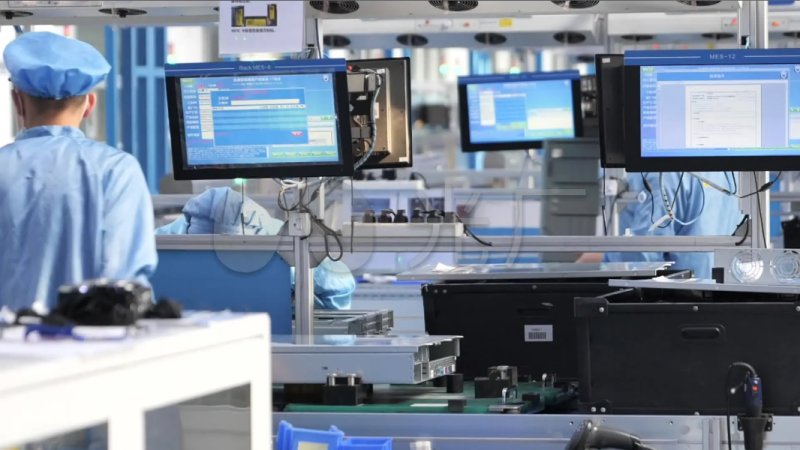
Display technology itself is also evolving. Higher resolution panels, thinner designs, and improved energy efficiency are becoming standard. Some advanced systems are adopting multi-screen configurations, allowing operators to monitor multiple processes simultaneously.
Another future direction is enhanced user experience design. Industrial interfaces are becoming more intuitive, with simplified layouts, customizable dashboards, and gesture-based controls. This reduces cognitive load for operators and improves system usability.
Sustainability is also shaping the future of industrial LCD screens. Manufacturers are focusing on reducing energy consumption, extending product lifespans, and using more environmentally friendly materials. This aligns with global efforts toward greener industrial production.
In the long term, industrial LCD screens will continue evolving into intelligent visualization hubs that combine data, control, and analytics in a single interface. They will play a central role in fully automated, AI-driven industrial environments.
In conclusion, the future of industrial LCD screens lies in intelligence, connectivity, and efficiency. As industrial systems become more advanced, these displays will remain a critical bridge between humans and machines, enabling smarter and more efficient industrial operations.
Click HB140WX1-501 LCD Screen Display Panel for more information.


Comments
Post a Comment