The Role of Industrial LCD Screens in Modern Automation Systems
The Role of Industrial LCD Screens in Modern Automation Systems
Industrial LCD screens have become a fundamental component in modern automation systems, serving as the visual interface between machines and operators. As industries continue to evolve toward higher efficiency and smarter manufacturing, the demand for reliable, high-performance display solutions has increased significantly. Unlike consumer-grade displays, industrial LCD panels are specifically designed to withstand harsh environments and operate continuously with minimal failure.
One of the primary advantages of industrial LCD screens is their durability. In manufacturing plants, displays are often exposed to dust, vibration, extreme temperatures, and sometimes moisture or chemicals. Industrial-grade panels are built with robust materials and enhanced sealing, allowing them to maintain stable performance under these conditions. This reliability is crucial for applications such as production line monitoring, where downtime can lead to significant financial losses.

Another important feature is long lifecycle support. Industrial systems are typically used for many years, sometimes even decades. Unlike consumer electronics, which are frequently updated, industrial LCD panels are designed with long-term availability in mind. This ensures that businesses can maintain consistency in their systems without needing frequent redesigns due to discontinued components. Stable supply is a key factor for OEMs and system integrators.
In terms of performance, industrial LCD screens offer a wide range of specifications tailored to different applications. Brightness levels can reach up to 1000 nits or higher, making them suitable for outdoor or high-ambient-light environments. Wide viewing angles, especially with IPS or VA technologies, ensure that the display remains clear from different perspectives, which is essential in control rooms and collaborative workspaces.
Interface compatibility is another critical consideration. Industrial LCD panels support various interfaces such as LVDS, eDP, and TTL, allowing seamless integration with different control boards and systems. This flexibility simplifies the design process and reduces development time for engineers. Additionally, many panels support touch functionality, enabling intuitive human-machine interaction through resistive or capacitive touch technologies.
Energy efficiency is also becoming increasingly important. Modern industrial LCDs, especially those using LED backlighting, consume less power while delivering better brightness and longer lifespan compared to older CCFL-based panels. This not only reduces operational costs but also aligns with global efforts toward energy conservation and sustainability.
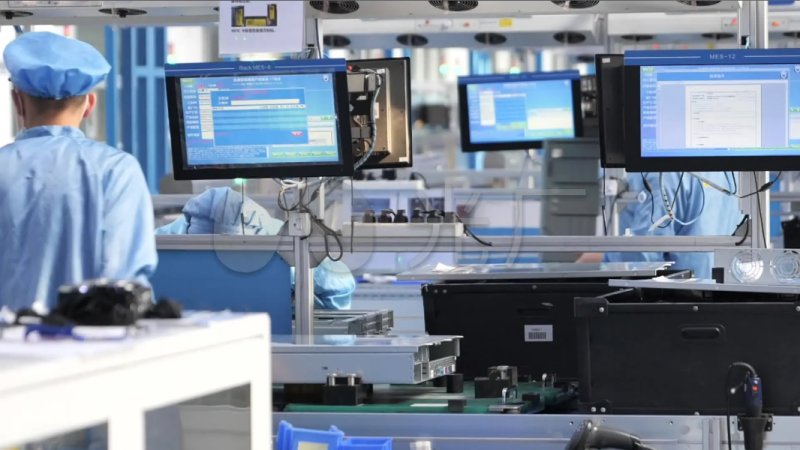
Industrial LCD screens are widely used across multiple sectors, including manufacturing, transportation, medical equipment, and energy systems. In manufacturing, they serve as HMI displays for monitoring and controlling processes. In transportation, they are used in control panels and passenger information systems. In the medical field, they provide clear and accurate imaging for diagnostics and monitoring equipment.
In conclusion, industrial LCD screens play a vital role in enabling efficient and reliable automation systems. Their durability, long lifecycle, high performance, and flexibility make them indispensable in modern industrial applications. As technology continues to advance, these displays will remain at the forefront of industrial innovation, supporting smarter and more connected systems.
Click lq190e1lw02 Display Panel LCD Screen for more information.


Comments
Post a Comment