How Industrial LCD Screens Support Smart Manufacturing and Industry 4.0
How Industrial LCD Screens Support Smart Manufacturing and Industry 4.0
The rise of Industry 4.0 has transformed the way manufacturing systems operate, emphasizing connectivity, automation, and data-driven decision-making. Industrial LCD screens play a crucial role in this transformation by serving as the primary interface between humans and intelligent machines.
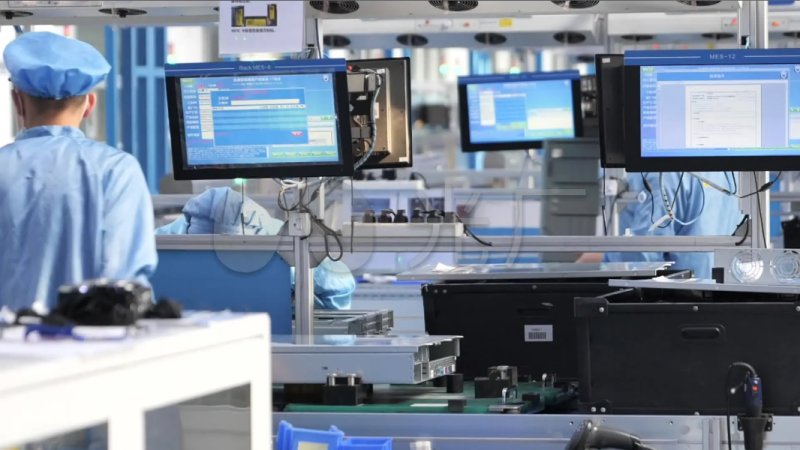
In smart manufacturing environments, real-time data visualization is essential. Industrial LCD screens display critical information such as production metrics, machine status, and performance indicators. This allows operators to monitor processes efficiently and make informed decisions quickly. High-resolution displays enhance clarity, enabling better interpretation of complex data.

Human-Machine Interfaces (HMIs) are a key component of Industry 4.0, and industrial LCD panels are at the heart of these systems. Modern HMIs often include touch functionality, allowing operators to interact directly with the system. This improves usability and reduces the need for external input devices, streamlining operations.
Connectivity is another important aspect. Industrial LCD screens are increasingly integrated with networked systems, enabling communication with sensors, controllers, and cloud platforms. This connectivity supports remote monitoring and control, allowing operators to manage systems from different locations. It also facilitates predictive maintenance by providing real-time alerts and diagnostics.
Durability and reliability remain critical in smart manufacturing environments. Industrial LCD panels are designed to operate continuously and withstand harsh conditions, ensuring uninterrupted performance. This is particularly important in automated systems where downtime can disrupt the entire production process.
Energy efficiency is also aligned with Industry 4.0 goals. Modern industrial displays use LED backlighting and advanced power management features to reduce energy consumption. This contributes to overall sustainability and cost savings.
Customization and flexibility are key advantages of industrial LCD screens in smart manufacturing. Different applications may require specific display sizes, resolutions, or interfaces. Suppliers can provide tailored solutions to meet these requirements, enabling seamless integration into diverse systems.
Another emerging trend is the integration of embedded computing within displays. Some industrial LCD systems now include built-in processors, allowing them to function as standalone units. This reduces the need for separate computing hardware and simplifies system architecture.
Security is also a growing concern in connected environments. Industrial LCD systems must support secure communication protocols to protect sensitive data. This is especially important in industries where data integrity is critical.
In conclusion, industrial LCD screens are a vital component of smart manufacturing and Industry 4.0. They enable real-time data visualization, intuitive interaction, and seamless connectivity, supporting more efficient and intelligent production systems. As technology continues to evolve, the role of industrial displays will become even more significant in shaping the future of manufacturing.
Click Display Panel LCD Screen for more information.


Comments
Post a Comment