Industrial LCD Screens in Automation and Factory Control
Industrial LCD Screens in Automation and Factory Control
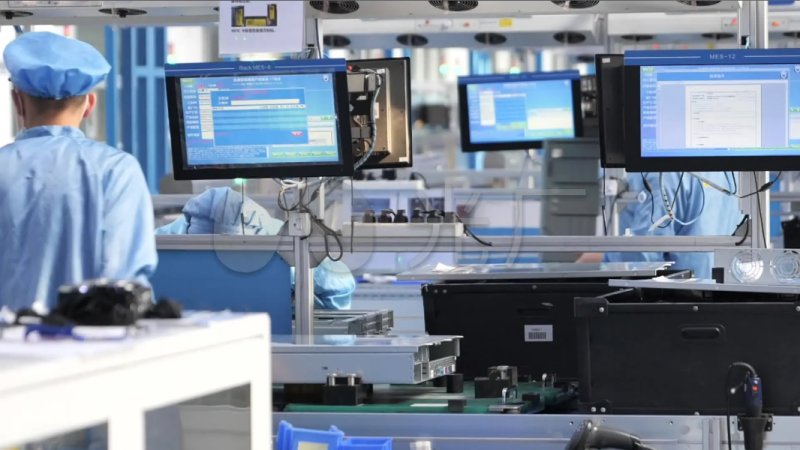
Industrial LCD screens are a critical component in automation and factory control systems. As manufacturing operations become increasingly intelligent, operators rely on clear, reliable, and durable displays to monitor production, adjust parameters, and respond to alerts.
Industrial LCD screens are widely used in human–machine interfaces (HMIs), providing a real-time visual link between operators and machinery. High-quality displays enable precise monitoring of equipment status, production metrics, and alarm conditions. This clarity reduces errors, improves operational efficiency, and supports predictive maintenance programs.

Durability is a defining feature of industrial LCD panels in manufacturing environments. They are designed to withstand continuous operation, vibration, shock, dust, and temperature fluctuations. Reinforced backlighting, industrial-grade circuits, and durable frames ensure long-term reliability even in demanding factory conditions.
Touch integration further enhances functionality. Resistive touch panels are ideal for operators wearing gloves, while projected capacitive touch panels offer modern multi-touch capabilities for advanced interactive HMIs. Both touch options are built for repeated use and provide consistent performance over long operational cycles.
Industrial LCD screens come in a variety of sizes, resolutions, and interfaces. Compact panels fit handheld diagnostic tools, while larger displays are integrated into control room dashboards for multi-layered visual monitoring. Interfaces like LVDS, TTL, eDP, and custom connections allow seamless integration with industrial controllers and embedded systems.
Long-term availability is another key advantage. Manufacturing equipment often remains in service for years, and industrial LCD suppliers provide guaranteed supply, consistent specifications, and replacement planning to support maintenance and system expansion. Technical support, datasheets, and compatibility recommendations simplify integration and reduce downtime.
Optional customization, such as optical bonding, protective glass, high-brightness panels, and touch integration, enables OEMs and integrators to tailor displays to specific factory automation needs. These options enhance usability, visibility, and durability in complex industrial environments.
In summary, industrial LCD screens are essential in automation and factory control systems. Their durability, touch functionality, high image quality, and long-term supply make them indispensable for OEMs, integrators, and operators seeking reliable and efficient display solutions.
Click G156BGE-L01 LCD Screen Touch Display Panel for more information.


Comments
Post a Comment